What is a Tsundere? The Ultimate Guide to Anime’s Favorite ‘Hard on the Outside, Soft on the Inside’ Trope

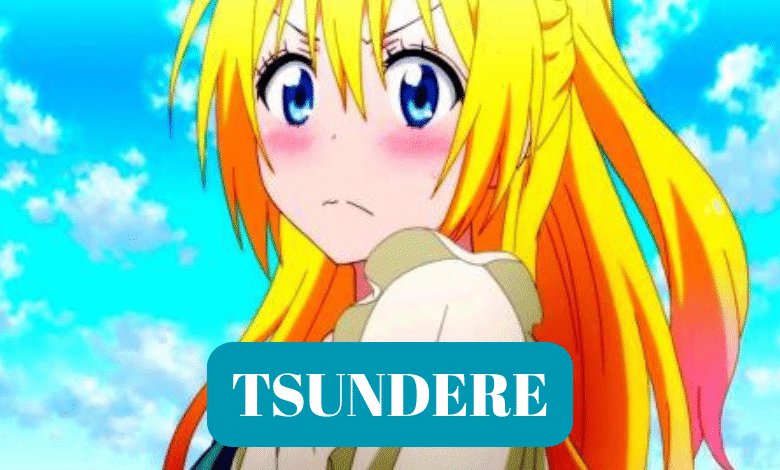
Have you ever watched an anime or read a manga where a character is just… relentlessly rude, cold, or even hostile to the main character, only to see them later blushing, stammering, and secretly doing something incredibly kind for them? You sit there, a little confused, wondering if you’re watching two different people. Well, let me tell you, you have just met a “tsundere.” And if you are new to anime, this personality type can be one of the most confusing, yet strangely endearing, things to encounter.
I remember the first time I came across a tsundere. It was the fiery-haired Asuka from Neon Genesis Evangelion. She was brilliant, competitive, and incredibly abrasive. She would constantly insult the main character, Shinji, calling him weak and pathetic. But then, in quieter moments, you could see her vulnerability. She was desperate for praise and connection, but her pride and past trauma made it impossible for her to ask for it directly. I went from being annoyed by her to being completely fascinated. That is the power of a well-written tsundere.
So, what exactly is going on here? Let’s pull back the curtain on one of anime’s most beloved character archetypes.
What Does “Tsundere” Actually Mean? Breaking Down the Japanese Word
To understand a tsundere, you first need to understand the word itself. “Tsundere” is a Japanese slang term that comes from combining two words.
The first part is “tsun tsun.” This is an onomatopoeia in Japanese that describes being prickly, hostile, or turning away from someone in a huff. Imagine a cat with its back arched and fur standing on end. That is the “tsun” energy. It is a defensive, standoffish attitude.
The second part is “dere dere.” This is the complete opposite. It describes the state of being lovey-dovey, affectionate, and head-over-heels in love. It is that giddy, warm, fuzzy feeling you get when you have a crush on someone. Think of a character with a big blush on their face, their eyes sparkling, and a goofy smile they cannot hide.
Put them together, and you get “tsundere” a person who alternates between a harsh, prickly exterior and a soft, loving interior. The key thing to remember is that the “tsun” is almost always a facade, a wall they put up to protect their true, sensitive “dere” feelings. They are not just moody; their behavior is a direct response to their growing romantic feelings, which they find embarrassing or overwhelming.
Read Also: The Final Destination 5 Cast: Where Are They Now? A Full Guide to the Actors
The Two Sides of a Tsundere: “Tsun” (The Prickly Exterior) and “Dere” (The Loving Interior)
A tsundere’s personality is like a candy with a hard shell and a soft center. You have to get past the initial toughness to reach the sweetness. Let us break down these two modes in more detail.
The “Tsun” Mode: Defense Mechanisms Activated
When a tsundere is in “tsun” mode, they are using aggression or coldness as a shield. This is not them being evil; it is them being scared. Common “tsun” behaviors include:
-
Insults and Name-Calling: They might call the person they like an “idiot,” “baka” (a very common Japanese insult in this context), or “useless.”
-
Physical Aggression: Especially in older anime, this often involved hitting or punching the love interest, usually accompanied by a massive blush. This is less common in modern portrayals.
-
Denial and Sarcasm: If someone points out that they might have feelings, they will vehemently deny it, often with an exaggerated, flustered reaction.
-
Acting Indifferent: They might pretend they do not care at all about what the other person is doing, even when they are secretly very interested.
The reason for all this? It is almost always rooted in insecurity, a bad past experience, or a simple inability to process their own emotions. Expressing vulnerability is seen as a weakness, so they overcompensate by being overly strong and hostile.
The “Dere” Mode: The Real Person Shines Through
The “dere” side is the real person underneath the armor. It comes out in moments when their guard is down. You will see it when:
-
They are alone, thinking about the person they like, and they smile or blush.
-
They perform a secret act of kindness, like making a lunch for them or helping them in a way that cannot be traced back.
-
They are put in a high-stakes situation where their true concern overrides their pride.
-
They are directly confronted with a sincere, kind gesture that breaks through their defenses.
This “dere” moment is what fans wait for. It is the pay-off. It is the proof that the character’s harsh exterior is just a shell, and that there is a caring, loving person inside. The contrast between the “tsun” and the “dere” is what makes the character dynamic so engaging.
Classic Tsundere Examples You Probably Know
The best way to understand this trope is to see it in action. Here are some of the most iconic tsundere characters in anime history.
-
Asuka Langley Soryu (Neon Genesis Evangelion): My first example is a classic. Asuka’s entire personality is a fortress built to protect her from the fear of being abandoned and not being good enough. Her “tsun” is aggressive, competitive, and loud. Her rare “dere” moments are quiet, vulnerable, and heartbreaking.
-
Taiga Aisaka (Toradora!): Taiga is a fantastic example. She is nicknamed the “Palmtop Tiger” because she is tiny but incredibly violent, especially towards her crush’s best friend, Ryuji. She throws him into walls and screams at him constantly. But as the series goes on, we see her “dere” side more and more. She is clumsy, has a sweet tooth, and deeply cares for her friends. Her journey is about learning to be vulnerable.
-
Sasuke Uchiha (Naruto): Sasuke represents the “cold” type of tsundere, rather than the “hot-headed” type. His “tsun” is aloofness, silence, and a singular focus on his goals that pushes others away. However, his “dere” moments, though extremely rare, are powerful. He slowly comes to see Team 7 as a family and is willing to die for them, even if he would never admit it out loud.
-
Rin Tohsaka (Fate/stay night): Rin is the model of a modern, well-balanced tsundere. She is a top student, magically powerful, and very prideful. She starts off seeing the protagonist, Shirou, as a rival and is often exasperated by his idealism. But her “dere” side comes out in adorable blushes, stammered denials, and small, caring actions, like secretly healing his injuries.
Tsundere vs. Kuudere vs. Yandere: A Quick Guide to Anime Personality Types
The world of anime tropes is full of “-dere” types. It is easy to get them confused, so let us clear it up.
-
Tsundere: Starts cold/hostile, becomes warm/loving. Their meanness is a facade. (Example: Taiga Aisaka)
-
Kuudere: Starts cool/emotionless, becomes warm/loving. Their coldness is not a facade; it is their default personality, which slowly thaws as they open up emotionally. They are calm, collected, and rarely show strong emotions. (Example: Rei Ayanami from Evangelion or Kurisu Makise from Steins;Gate).
-
Yandere: Starts loving/affectionate, becomes violently possessive. The “yan” comes from “yanderu,” meaning mentally ill. A yandere’s love is so obsessive that they will resort to stalking, murder, and other extreme actions to eliminate rivals and keep their beloved to themselves. (Example: Yuno Gasai from Future Diary).
In short: A Tsundere is like a prickly pear, a Kuudere is like an ice cube melting, and a Yandere is like a rose with poisoned thorns.
Why We Can’t Get Enough of Tsundere Characters (The Psychology of Their Appeal)
From a writing perspective, the tsundere is a goldmine. But why do we, as the audience, find them so compelling?
First, there is the satisfaction of the “pay-off.” Watching a character who has been stubbornly hostile finally break down and show their true feelings is incredibly rewarding. It is like solving a difficult puzzle. That moment when they blush and look away after being caught doing something nice gives viewers a sense of victory.
Second, they provide great character development. A static, always-nice character can be boring. A tsundere has a built-in character arc: the journey from being closed-off to being open. We get to watch them grow, heal from their past, and learn to trust. This makes their emotional victories feel earned.
Third, they add fantastic comedic and dramatic tension. The contrast between their words and their actions is a constant source of humor. Their internal conflict between what they say (“I hate you!”) and what they feel (“I love you!”) creates a powerful dramatic engine that drives stories forward.
Is the Tsundere Trope Problematic? A Balanced Look.
Now, we have to talk about the elephant in the room. The tsundere trope, especially in its older forms, can be problematic. The physical violence, in particular, is often played for laughs, which normalizes abusive behavior in a relationship context. A character hitting someone they supposedly care about is not okay, and it is good that modern storytelling is moving away from this.
However, I believe the core of the tsundere trope is not about the violence. It is about vulnerability. At its heart, it is a story about someone who is afraid of being hurt, so they put up walls. Is that not a deeply human experience? We have all put on a brave face when we were scared, or snapped at someone when we were actually feeling vulnerable.
The best modern tsunderes focus on the emotional conflict, not the physical one. The “tsun” is more about sharp words, sarcasm, and denial, which, while still not ideal, is a more realistic portrayal of emotional defense mechanisms. The key is to write the character with depth, to show the why behind their behavior, and to have them grow out of their worst habits as they learn to connect with others.
How to Spot a Tsundere in Real Life (And How to Handle One)
While real people are far more complex than anime tropes, you might recognize tsundere-like traits in people around you, or even in yourself.
A real-world “tsundere” might be the friend who always teases you but is the first person to defend you if someone else does. It might be the coworker who acts grumpy and uninterested but secretly leaves a coffee on your desk when you are having a tough day. They show they care through actions, not words, and they might feel deeply embarrassed by direct emotional praise or affection.
If you think you are dealing with someone like this, my advice is to be patient and observant. Do not take their harsh words at face value all the time; look at their actions. They are likely not trying to be mean; they are just bad at expressing themselves in a soft way. Give them space, be consistently kind, and appreciate the small, quiet ways they show they care. And if you see yourself in this description, know that it is okay to be vulnerable. Letting your “dere” side show is not a weakness; it is what allows for genuine connection.
Conclusion
The tsundere is more than just a cartoonish anime trope. It is a powerful storytelling tool that explores the universal human struggle between self-protection and the desire for connection. From the fiery temper of Taiga Aisaka to the cold pride of Rin Tohsaka, these characters captivate us because we see a part of ourselves in their conflict. We understand the fear of being hurt and the courage it takes to be vulnerable. While the trope has its flaws, its enduring popularity is a testament to the satisfying joy of watching a guarded heart finally learn to open up. So the next time you meet a character who seems all sharp edges, look a little closer. You might just find a heart of gold waiting to be discovered.
Frequently Asked Questions (FAQ)
Q1: Who was the first tsundere character?
A: While debates exist, many credit Lum from Urusei Yatsuka (1981) as one of the earliest and most influential prototypes. However, the term “tsundere” itself became popular much later, in the early 2000s, through dating sim games.
Q2: Can a tsundere be male?
A: Absolutely! While often associated with female characters, male tsunderes are very common. Characters like Sasuke Uchiha (Naruto), Kyo Sohma (Fruits Basket), and Vegeta (Dragon Ball Z) are all prime examples of male characters with a classic tsundere personality.
Q3: What is a “deredere” character?
A: A “deredere” character is someone who is purely sweet, affectionate, and loving almost all the time. They are the opposite of a “tsun” character. They are openly caring and do not hide their positive feelings. Think of a character like Sailor Moon.
Q4: Is being a tsundere a bad thing?
A: In real life, consistently being hostile to someone you have feelings for is not a healthy way to build a relationship. While the intention behind it (fear of vulnerability) is understandable, the behavior can be hurtful and confusing. Healthy relationships are built on open communication and kindness, not on insults and denial.
Q5: What’s the difference between a tsundere and someone who is just rude?
A: The key difference is motivation and contrast. A truly rude person is consistently mean and does not have a softer, caring side that they reveal in private. A tsundere’s rudeness is a specific reaction to their own confusing emotions, and it is always paired with clear evidence of a kinder, more vulnerable personality that emerges when they let their guard down.