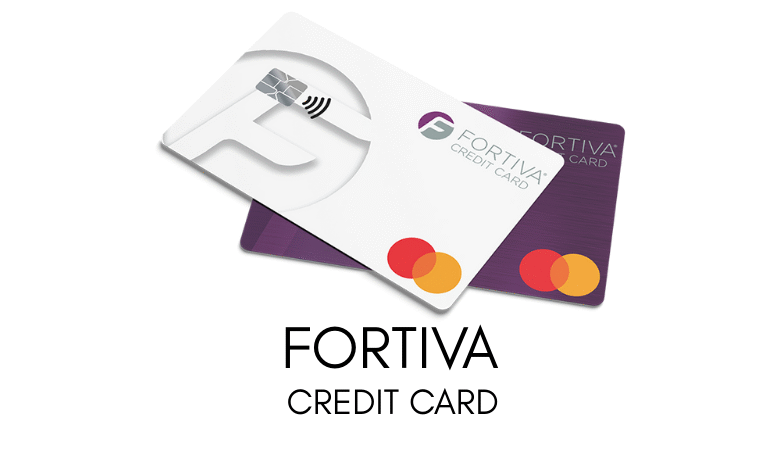
Let’s talk about credit. More specifically, let’s talk about that frustrating feeling when your credit score isn’t where you want it to be, and every door seems to be closing. Maybe you’ve had some bumps in the past, or you’re just starting out. You’re looking for a way back in, and in your search, you’ve probably come across the Fortiva Credit Card.
I’ve been writing about personal finance for years, and I’ve seen my share of products aimed at people trying to rebuild. The name “Fortiva” pops up a lot in forums and search results, often surrounded by questions and a bit of confusion. Is it a lifeline or a trap? The truth, as it often is with finances, isn’t a simple yes or no. It’s a tool, and like any tool, its value depends entirely on how you use it.
Today, I want to walk you through everything about the Fortiva Credit Card. We’ll strip away the jargon and look at what it is, how it really works, and help you decide if it’s a sensible step on your financial journey. My goal here isn’t to sell you on it, but to give you the clear, straightforward information you need to make your own choice.
What is Fortiva Financial, Anyway?
Before we get to the plastic, let’s understand the company behind it. Fortiva Financial is not a bank you walk into on a street corner. It’s a financial services company that specializes in offering credit products—primarily credit cards and personal loans—to individuals whose credit histories are less than perfect. Think of them as focusing on the “second-chance” market.
The actual issuer of the Fortiva Credit Card is The Bank of Missouri. This is an important point because it tells us two things: first, it’s a legitimate, FDIC-insured banking product. Second, your activity with this card will be reported to the three major credit bureaus: Equifax, Experian, and TransUnion. This reporting is the entire engine of its credit-building promise. If they didn’t report, the card would be pointless for rebuilding credit.
Read Also: Tapping Into Your Rhythm Energy: The Secret to Sustainable Productivity
How the Fortiva Credit Card Works: The Nuts and Bolts
At its core, the Fortiva Credit Card works like any other unsecured credit card. You apply, they check your credit, and if approved, they give you a line of credit. You can use it for purchases, and you must pay back at least the minimum payment by the due date each month.
But here’s where it diverges from a typical card you might get from a major bank. Because Fortiva is taking on more risk by lending to people with poor or limited credit, the terms are structured differently to mitigate that risk. This is the crucial part to understand.
When you are approved, you are often given what’s called a “credit limit” that includes the amount you can spend plus the first year’s annual fee. For example, you might be approved for a total limit of $1,000. But if the annual fee is $150, your actual available spending credit on day one might be $850. This fee is typically deducted right off the top.
The Clear Benefits: Why People Consider Fortiva
Let’s give credit where it’s due. Fortiva serves a real need, and it has some legitimate benefits for the right person.
-
Accessibility: This is the biggest one. Fortiva is often willing to approve applicants who have low credit scores, recent late payments, or even previous bankruptcies. If you’ve been rejected elsewhere, Fortiva might say yes. For someone feeling shut out of the system, this access can feel like a first step.
-
Credit Bureau Reporting: As I mentioned, they report your payment history monthly to all three bureaus. This is the magic. If you use the card for a small purchase each month and pay the bill on time, in full, you are actively building a positive payment history. Payment history is the single biggest factor in your credit score, making up 35% of your FICO score. Consistent, on-time payments with Fortiva can genuinely help lift your score over 6-12 months.
-
Potential for Credit Limit Increases: Some users report that after a period of on-time payments (often 6-12 months), Fortiva may offer a credit limit increase. This can help your credit score further by lowering your overall “credit utilization ratio”—the amount of credit you’re using compared to your total limits.
The Major Drawbacks: The Costs You Must Not Ignore
Now, we have to talk about the other side of the coin. The benefits come at a significant cost, and you must go into this with your eyes wide open.
-
Very High Annual Fees: These fees can be steep, sometimes ranging from $75 to $175 for the first year. They may decrease in subsequent years, but this is a substantial upfront cost.
-
High Interest Rates (APR): The purchase Annual Percentage Rate (APR) on a Fortiva card is typically very high, often between 22% and 36%. If you carry a balance from month to month, the interest charges will pile up extremely quickly, easily negating any benefit.
-
Other Fees: There can be additional fees, such as a monthly servicing fee for the first year, which adds to the cost of simply having the card.
-
The Spending Limit Trap: Remember how the annual fee eats into your initial credit limit? This means you start with a very low usable limit. It’s easy to accidentally use a high percentage of your available credit, which can actually hurt your credit score in the short term.
Who Is The Fortiva Card Actually Good For?
Based on all this, I’d say the Fortiva Credit Card is a potential fit for a very specific person:
-
You have poor credit (FICO score below 580) and have been denied for secured cards (which require a cash deposit) or other beginner cards.
-
You have absolutely no other option to get a credit card that reports to the bureaus.
-
You have a solid, disciplined plan. You are 100% committed to using the card for tiny, planned purchases (like one tank of gas a month) and paying the entire statement balance off, in full, on time, every single month.
-
You view the first year’s fees as an investment in your credit score, and you have budgeted for that cost.
Who Should Avoid It?
-
If you have the savings for a secured credit card (where you put down a $200-$500 deposit), that is almost always a better and cheaper first choice.
-
If you are unsure you can pay the balance in full every month. The high APR will bury you in debt.
-
If you are looking for a card for everyday spending, rewards, or large purchases.
A Strategic Plan for Using the Fortiva Card
If you decide to proceed, here’s a game plan to maximize the benefit and minimize the pain:
-
Budget for the Fees: Before you apply, know the fee structure. Have the money for the annual fee ready. Consider it a non-negotiable cost of the program.
-
Use It Minimally: Once you get the card, do not max it out. Use it for one small, recurring subscription or a modest grocery trip each month—something under 10% of your available spending limit.
-
Set Up Autopay for the Full Balance: This is non-negotiable. The moment you get your online account login (at Fortiva.com), set up autopay to pay the full statement balance on the due date. This automates your success and protects you from forgetting and accruing interest.
-
Monitor Your Credit: Use free services like Credit Karma or your bank’s credit score tool to watch your progress. The positive payment history should start helping your score within a few months.
-
Plan Your Next Move: The goal of the Fortiva card is not to be a forever card. The goal is to use it for 12-18 months to build a solid payment history, then apply for a card with better terms—perhaps a no-annual-fee secured card or a basic card from a credit union—and then close the Fortiva account.
Conclusion
The Fortiva Credit Card is a classic double-edged sword. It provides access and opportunity when few other options exist, but it charges a high price for that privilege. It is not a product to be used lightly or without a clear strategy.
In my opinion, it should be viewed as a short-term, strategic credit-building tool, not a long-term financial product. For those who are disciplined, patient, and treat it with the seriousness it demands, it can serve as a functional first rung on the ladder out of bad credit. But if you stumble—if you carry a balance or miss a payment—the costs can quickly spiral, leaving you worse off than when you started.
Your credit journey is a marathon, not a sprint. Weigh the costs, make a plan, and if you choose to use Fortiva, let it be a stepping stone to better financial products and a healthier score.
Frequently Asked Questions (FAQ)
Q1: Is Fortiva a legitimate company?
Yes, Fortiva Financial is a legitimate financial services company. The Fortiva Credit Card is issued by The Bank of Missouri, an FDIC-insured bank. Your account is real and your activity is reported to the credit bureaus.
Q2: What credit score do I need for the Fortiva card?
Fortiva is designed for people with poor to fair credit, often with FICO scores below 580. They specialize in applicants with damaged credit histories, including late payments or past bankruptcies.
Q3: How can I avoid paying high interest on my Fortiva card?
The only sure way to avoid all interest charges is to pay your full statement balance by the due date every single month. Carrying even a small balance will trigger the high APR, leading to costly interest fees.
Q4: Can I get the Fortiva annual fee waived?
Typically, no. The first year’s annual fee is generally a condition of opening the account and is often deducted from your initial credit line. It’s a core part of the card’s cost structure. Some users report the fee decreasing in the second year with good payment behavior.
Q5: What are better alternatives to the Fortiva credit card?
A secured credit card is almost always a superior alternative if you can afford the refundable security deposit (e.g., $200-$500). Cards like the Discover it® Secured or Capital One Platinum Secured have no annual fees, offer paths to upgrade to unsecured cards, and some even give cashback rewards. Credit union secured cards are also excellent, often lower-cost options.